Leading Others with Purpose
How Did Great Generals Like Alexander the Great and Khalid bin Waleed Lead Others?

"The best of leaders are those who serve their people, not themselves."
- Simon Sinek
Leadership is subjective.
We have different models and management theory; the visionary, the delegator, the disciplinarian. The introvert, the extrovert, the wartime leader, the peacetime leader, the servant-leader, the laissez-faire leader.
There’s more than one way to skin a cat so it can be argued that no one style is better than the other. There are plenty of success stories under each different method so it’s hard to compare and say conclusively one style is better than the other.
But perhaps what we can do is to compare illustrious leaders who are decorated and successful in similar fields, but with different approaches and look at what sets them apart.
So for this article, I want to look at leadership in battle.
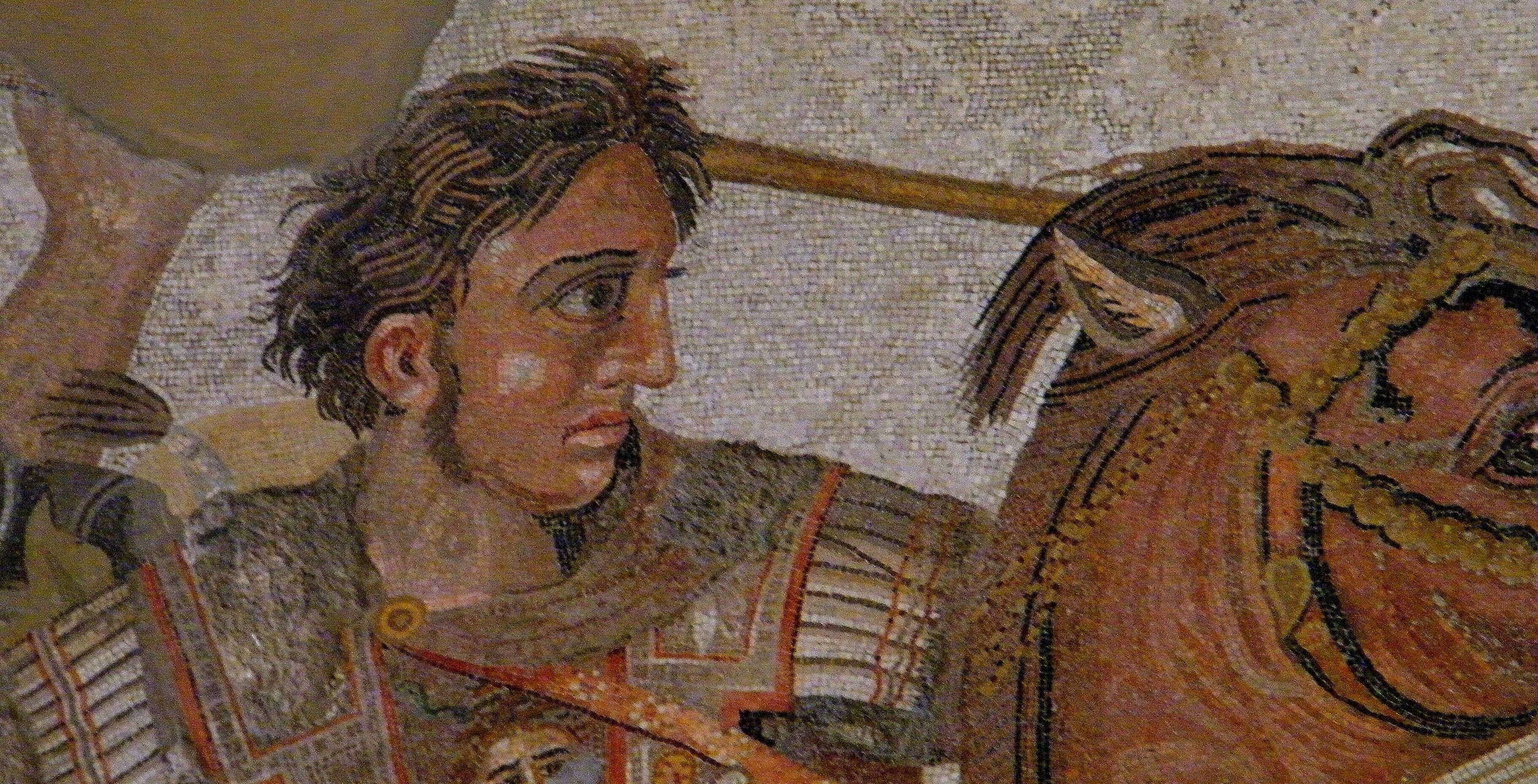
When we think of great military leaders, two names that come to mind are Alexander the Great and Khalid bin Waleed.
To borrow a Gen-Z phrase, these two would be considered ‘goated’ as warriors, generals and military leaders.
Both men achieved legendary success that defined their era, but when looking deeper, their methods and the outcomes of their leadership could not be more different.
Alexander the Great: When is Enough, Enough?
Alexander, tutored by none other than Aristotle himself, was a man of unparalleled ambition. By the age of 30, he had created one of the largest empires the world had ever seen, stretching from Greece to India.
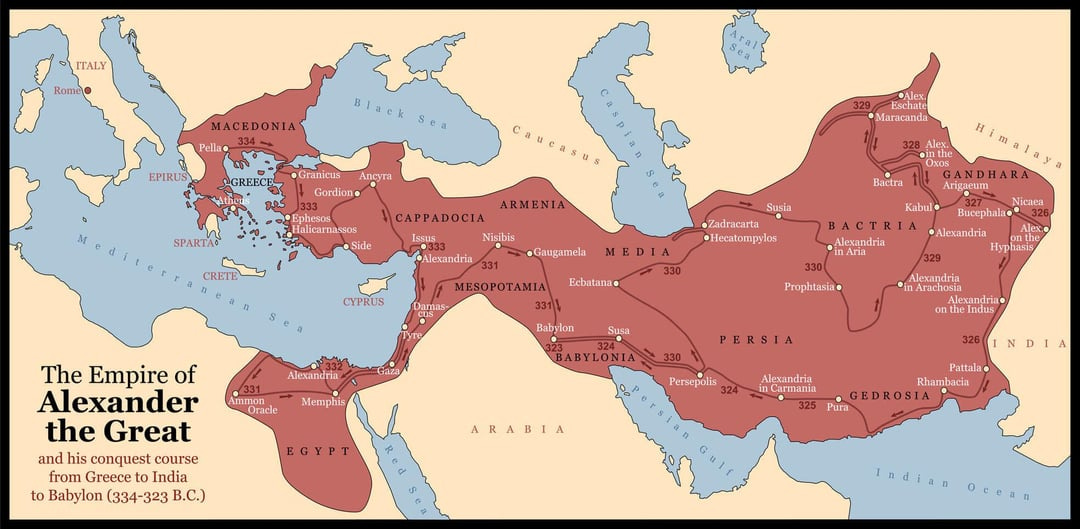
He is famous for having never lost a battle.
However, his biggest attribute - his extreme ambition and insatiable hunger for conquest - also ended up being his biggest downfall.
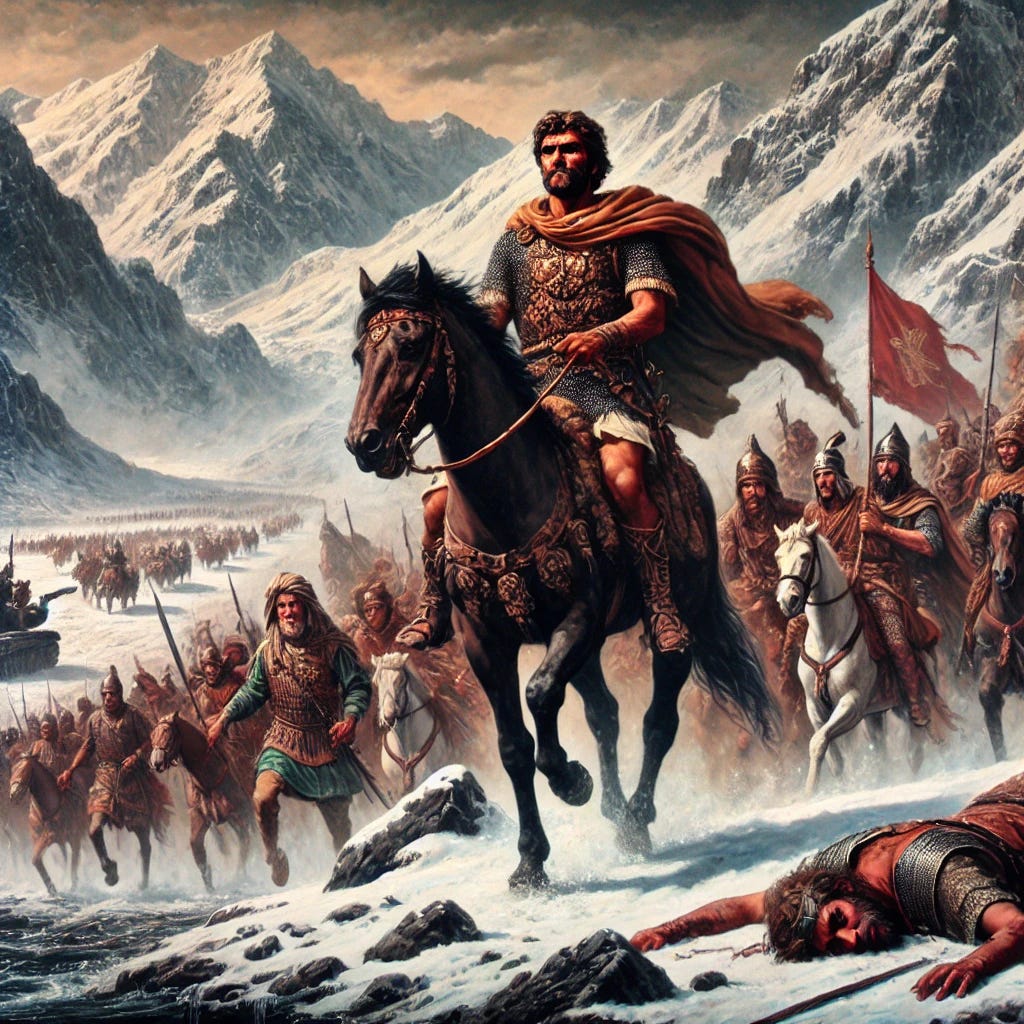
For over a decade, Alexander led his troops through relentless campaigns, driving them deeper into hostile and unfamiliar lands. From the snowy passes of the Hindu Kush to the unforgiving heat of the Gedrosian desert, his army marched under brutal conditions, often on little rest and far from home.
The toll on his soldiers was immense. As they crossed into the desert, thousands of Alexander’s soldiers died due to exhaustion and dehydration.
It was relentless.
The longer they campaigned, the more homesick and weary they became.
Alexander’s ambition knew no limits but there was a heavy price to pay.
His soldiers, who initially revered him as a god-like figure, eventually grew weary.
They had followed him faithfully through the conquest of Persia, defeating the great Darius III, and into India, where they faced elephants and unfamiliar armies.
But after years of continuous warfare, they began to question their leader's purpose.
What were they fighting for now? Personal glory? More conquests?
When is enough, enough?
In 326 BC, at the Hyphasis River (modern-day Beas in India), the breaking point finally came.
His men, exhausted, homesick, and deeply fatigued, refused to march further.
Alexander, who had always been able to rally them before, could not sway them this time.
His dream of conquering all the way to the end of the world was over.
Forced to turn back, Alexander's authority remained intact, but the bond between him and his men had fractured deeply.
Though Alexander was a great man and had achieved remarkable conquests, his failure to recognise the limits of his men led to rebellion.
After Alexander’s untimely death in 323 BC at the age of 32, his empire, built on the spirit of conquest rather than sustainable governance, rapidly fell apart.
Without a strong successor or clear plan to maintain the vast territories he had claimed, his generals—known as the Diadochi—turned on each other.
His generals divided the vast lands he had conquered between them and now, with the empire now fractured, the vision Alexander had relentlessly pursued was lost almost immediately.
Despite his greatness, Alexander’s leadership lacked the foundation of trust and mutual purpose that could have held the empire together after his death.
As per Jim Collins’ bestseller Good to Great - Alexander was the proverbial ‘genius with a thousand helpers’ - capable of great things himself but did not create an infrastructure that would continue and grow without him.
What Alexander’s leadership demonstrates is the fine line between ambition and self-destruction.
His desire to push on blinded him to the needs of his men.
In the end, they weren’t machines to be flogged but human beings – fatigued, worn out, and longing for home.
Khalid bin Waleed: The Sword of Allah Who Inspired Loyalty
In contrast, we have Khalid bin Waleed, who offered a different model of leadership. He is also famous for having never lost a battle.
He was a commander whose leadership is revered for his military genius and also for his ability to inspire and maintain the loyalty of his troops. Known as the 'Sword of Allah,' Khalid led his armies in a way that was beyond mere conquest. He valued honour, trust, and a shared purpose, and a commitment to something far greater than just personal ambition.
Khalid’s troops fought not for his personal glory, but for the cause of Islam, a worthwhile mission that gave them a huge sense of higher purpose.
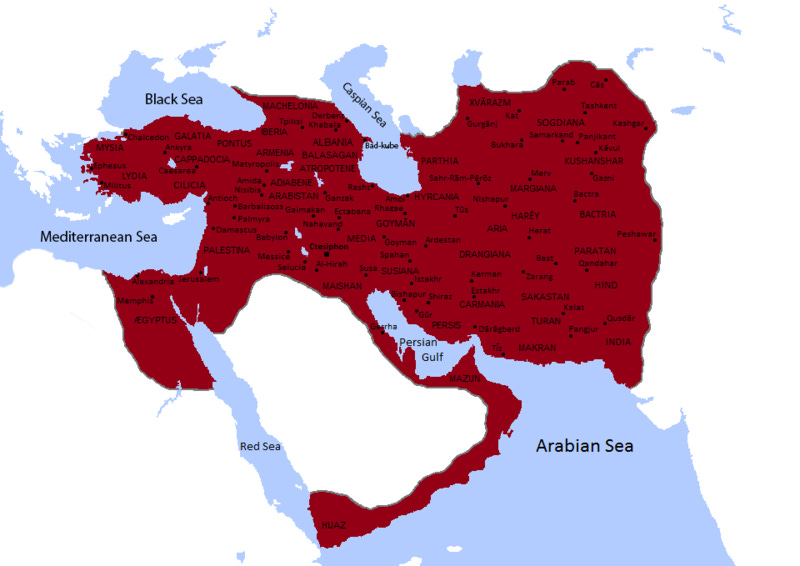
His campaigns though not as far-reaching in terms of geographical spread as Alexander’s, were still extensive, and took him across the Arabian Peninsula, Iraq, and Syria.
Despite the intensity of these campaigns, Khalid’s troops never rebelled nor were there reports of widespread fatigue. Instead, they remained fiercely loyal to him, motivated by their shared belief in the justice of their cause.
What was Khalid’s secret?
First, Khalid led from the front. Whether facing the might of the Byzantine or Persian empires, his soldiers saw him as one of them. He fought side by side with his men on the battlefield, sharing their hardships and dangers. This built a bond of trust and respect. Where Alexander’s men eventually grew resentful, Khalid’s men remained loyal. He treated his soldiers as brothers, not pawns in his grand design.
Secondly, Khalid was a master of motivation. His electrifying speeches before battle were not just military commands – they were reminders of the higher purpose they were fighting for. He invoked their faith, calling on the name of Allah and the Prophet Muhammad (peace be upon him), reigniting their strength and determination, even in the toughest of battles.
Third, Khalid understood the value of rest and strategic deployment. He positioned his soldiers where they could be most effective, without exhausting them unnecessarily. He consulted with his officers, both junior and senior, valuing their input and making them feel part of the decision-making process.
Most importantly, Khalid’s leadership was rooted in spirituality. While Alexander's men fought for conquest, fame and riches, Khalid’s soldiers fought for a cause that transcended earthly gain. This shared belief bonded them in a way that Alexander’s soldiers, fatigued by relentless conquest, could never experience. They believed in their cause, and this belief made them fearless and resilient.
You can keep going beyond expected human limits when the cause you’re fighting for feels worthy.
How bought in are your team to the overall cause of your company or organisation?
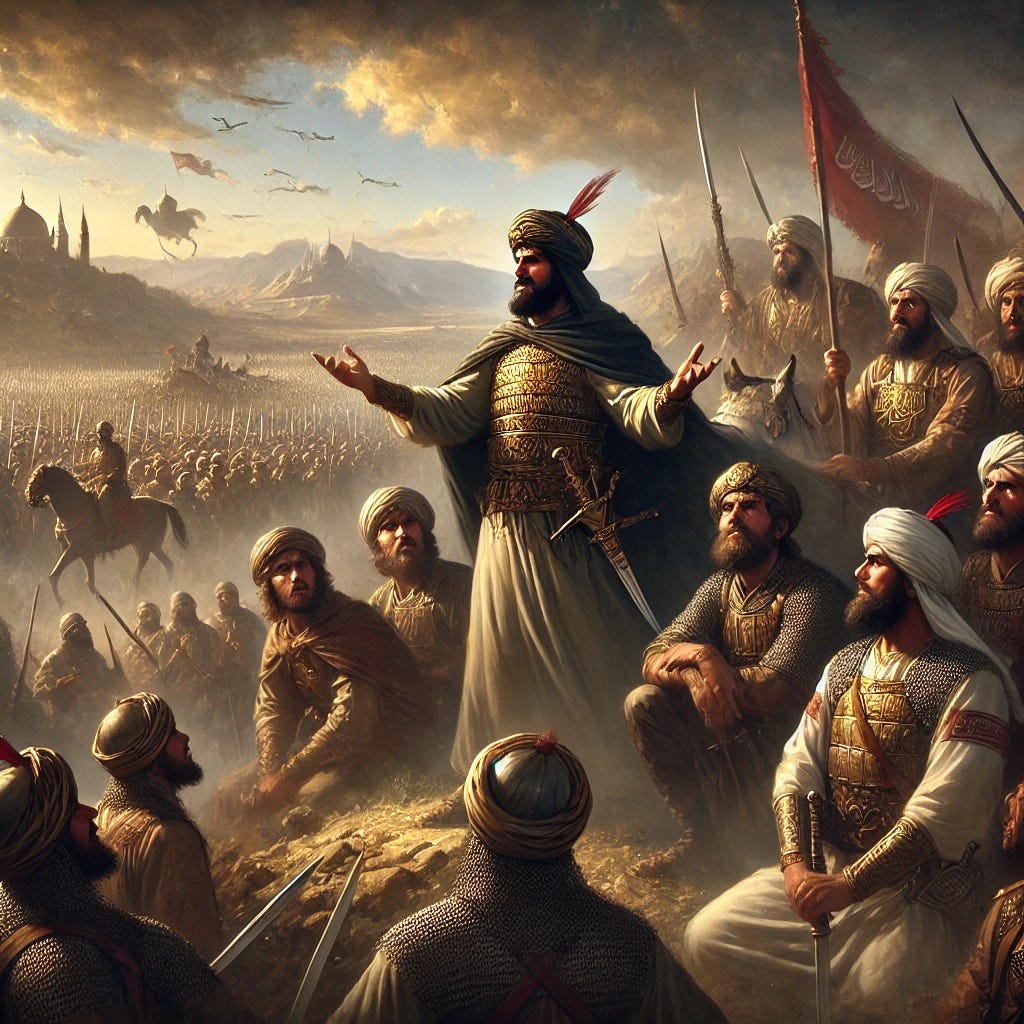
Two Great Leaders But Two Different Leadership Styles
Alexander the Great may have conquered more land, but at what cost? His empire fell apart almost as quickly as it was built.
Khalid bin Waleed, on the other hand, left behind a legacy of leadership that endured long after the victories. His name lives on as an example of what leadership should be—humble, purpose-driven, and deeply connected to the people one leads. In stark contrast to Alexander’s fractured empire, Khalid’s campaigns helped solidify the foundations of the rapidly growing Islamic state, a legacy that would live on long after him.
Both Alexander and Khalid bin Waleed were unparalleled military commanders, considered amongst the greatest of all time, but their respective legacies reflect the different paths and approaches they took.
The lesson here is simple: success is not just about what you achieve, but also how you achieve it. What is done for “me” is way less powerful than when it done with “we” in mind.
Alexander’s relentless ambition ultimately led to the fatigue and rebellion of his men. Khalid’s leadership, rooted in trust, purpose, and shared struggle, led to lasting loyalty and respect.
Perhaps the greatest leaders are not those who conquer the most, but those who understand the hearts and minds of the people they lead.
After all, the Prophet Muhammad (saw) said:
”The best of your leaders are those you love and who love you, who invoke God’s blessings upon you and you invoke His blessings upon them. And the worst of your leaders are those you hate and who hate you, whom you curse and who curse you.”
Reflect on your leadership and purpose. Are you pursuing personal glory like Alexander and burning out your team, or are you leading like Khalid, empathetic and with a cause greater than yourself?
Take a moment to realign your ambitions. Always remember to lead with a bigger cause in mind, inspire trust, and create a legacy that will continue, long after your reign comes to an end.
That’s what a purposeful leader does.